 Η αφορμή για την συνέντευξη
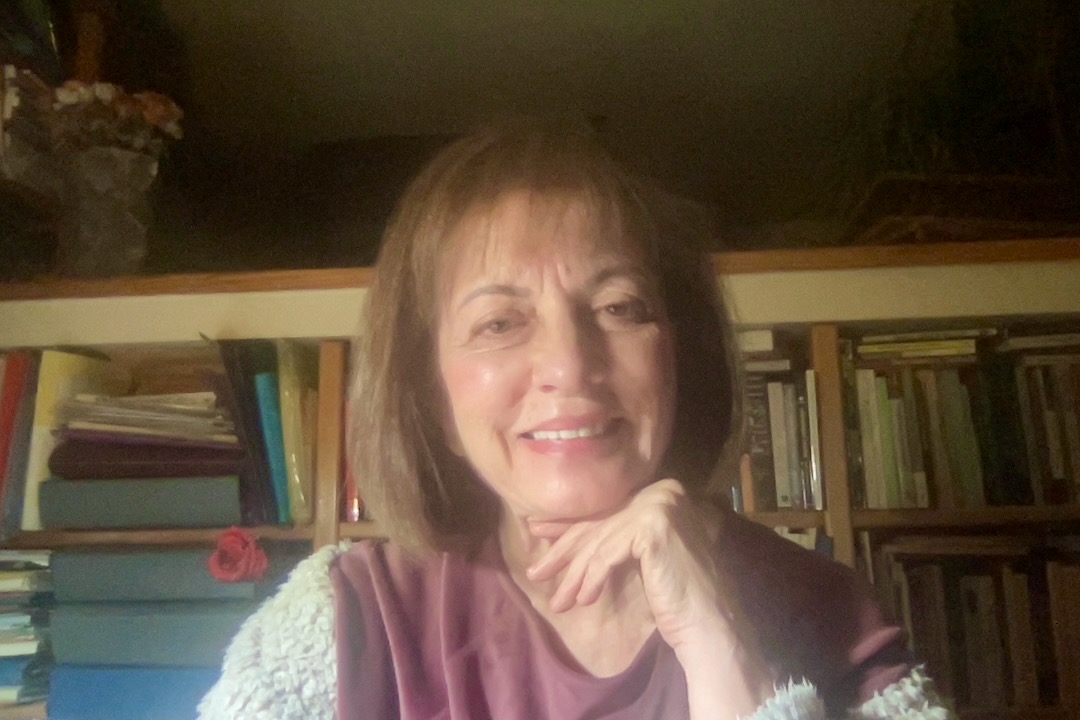
The initial occasion for this interview was an online article published by KU Leuven, Belgium’s largest university, announcing that the annual inaugural lecture for the 2022 academic year would be delivered by the internationally renowned Maniot anthropologist C. Nadia Seremetakis (Konstantina-Nadia Seremetakis).
Μελετώντας προσεκτικά τα γραφόμενα της κυρίας Σερεμετάκη στην συγκεκριμένη ανάρτηση, μου γεννήθηκε η επιθυμία να την γνωρίσω καλύτερα στο κοινό της Λακωνίας.
Κι ενώ την αναζητούσα είδα να ανακοινώνεται το επόμενο έτος ότι θα είναι προσκεκλημένη του ιδίου πανεπιστημίου ως επισκέπτρια καθηγήτρια. Και πριν προλάβω να την συναντήσω ξεπήδησε άλλο νέο για την πορεία της. Αυτή τη φορά από την Πολωνία, το πανεπιστήμιο της Κρακοβίας όπου θα πραγματοποιούνταν η έναρξη ενός σχολείου για μετα-διδάκτορες διοργανωμένο από 11 πανεπιστήμια της Ευρώπης. Προσκεκλημένη και εκεί για να δώσει την εναρκτήρια διάλεξη θα ήταν η κ. Σερεμετάκη !
Η κορύφωση της έκπληξης
Δεν σας κρύβω ότι πολλές ήταν οι φορές που έκανα πίσω. Διαβάζοντας και ξαναδιαβάζοντας δε το βιογραφικό της στην προσωπική της ιστοσελίδα, χανόμουνα μέσα στους δαιδαλώδεις διαδρόμους της μακράς πορείας της στο εξωτερικό και προσφάτως και στην Ελλάδα. Με κυρίευε η σκέψη πως ”που να σταθώ απέναντί της και με τι κριτήρια να της πάρω συνέντευξη που θα μου μιλάει και δεν θα καταλαβαίνω ίσως τι λέει.”
Eventually, I decided to take the plunge and send her a tentative message saying that I would like to interview her. Not much time had passed before her reply arrived! She thanked me and included her mobile phone number!
Η έκπληξή μου κορυφώθηκε όταν ήρθε στην πρώτη συνάντηση και συνομιλία μας. Κυρία Σερεμετάκη ευχαριστώ που με δεχτήκατε, είπα.
Εγώ ευχαριστώ είπε απλά. Μιλώντας ήταν φανερό πως ήξερε να σε κάνει να νιώθεις άνετα, σαν απλή συμπατριώτισσα.
 — Θα μου μιλήσετε λίγο για την Νάντια τη Σερεμετάκη ως νεαρή κοπέλα ; Τη ρώτησα. Για το σχολείο, τα χόμπι σας, τη
 and your relationship with Mani at that time?
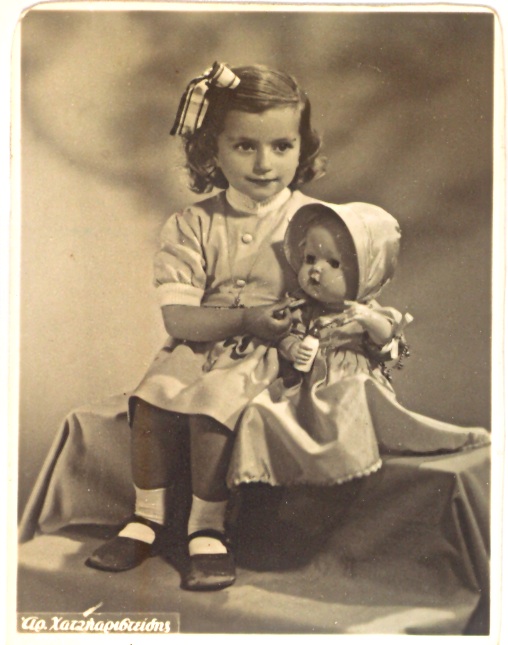
— I went to school in Athens, but my inclination had already become apparent before I learned to write. I used to speak to my toys, sometimes in prose and sometimes in poetry, sometimes tenderly and sometimes sternly. (She laughs.) Perhaps a Maniot culture was revealing itself… In primary school, I distinguished myself in composition and language.
Το γυμνάσιο όμως με απώθησε. Οτιδήποτε αποτελούσε τροχοπέδη στη φαντασία, τον πειραματισμό, την ποιητική , την αισθητική με στένευε σαν κορσές . Ήταν η εποχή της χούντας. Το τέλειωσα με ανακούφιση και είχα ήδη αποφασίσει πως θα ήθελα φύγω, να γνωρίσω άλλους κόσμους.
Οι σπουδές στη Νέα Υόρκη
Έφυγα για σπουδές στη Νέα Υόρκη. Απελευθέρωση! Άρχισα με φιλολογικές σπουδές και ξένες γλώσσες, συνέχισα με κοινωνικές και ανθρωπολογικές επιστήμες, και τις ελεύθερες ώρες με χορό, μοντέρνο μπαλέτο—ιδιαίτερα μου άρεσε η μέθοδος του Ερικ Χόκινς (σύζυγος της θρυλικής Μάρθα Γκράχαμ). Φυσικά εργαζόμουν κιόλας, αρχικά στην ελληνική εφημερίδα.
Προχώρησα με υποτροφίες σε σπουδές κι άρχισα να ξαναγράφω ποίηση. Την υποχρεωτική μου επιτόπια έρευνα είχα στόχο να πραγματοποιήσω στην Αφρική. Στη Μάνη γύρισα με προτροπή ενός καθηγητή μου κι έμελλε να εγκαινιάσω αυτό που στόχευε, δηλαδή τη δημιουργία τότε μιας γηγενούς ανθρωπολογίας—δηλαδή ντόπιοι που σπούδαζαν έξω να επέστρεφαν να μελετήσουν τη γενέτειρά τους.
—Δύσκολο έργο φυσικά.
Ναι, ήταν δύσκολο εγχείρημα που πήρε κάποια χρόνια να το ολοκληρώσω. Η εμπειρία σπουδαία. Μα σπουδαίο κρίθηκε και το αποτέλεσμα.
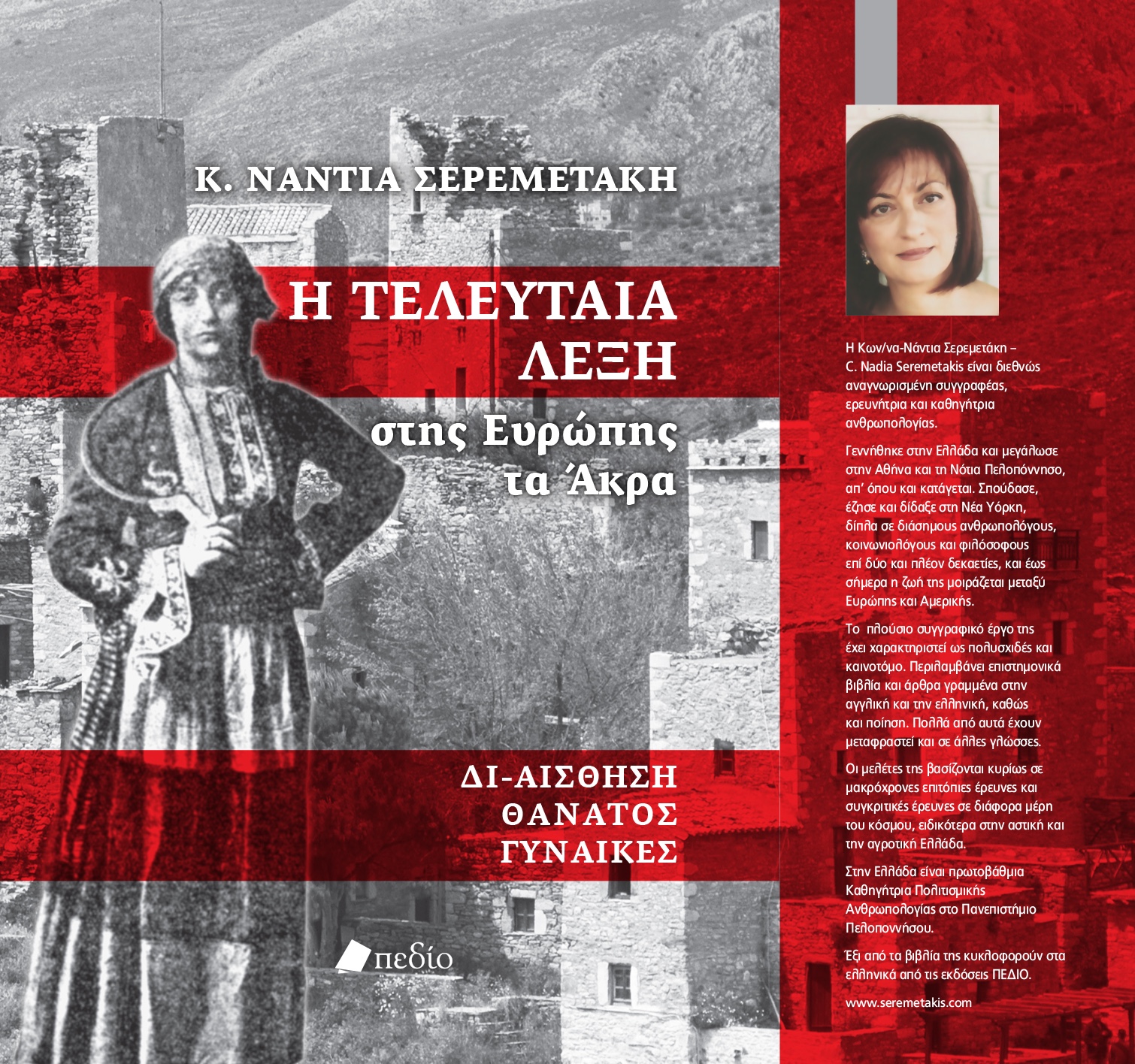
Την εθνογραφία της Μάνης με τίτλο Η Τελευταία Λέξη (The Last Word) κατάθεσα για πιθανή έκδοση στον τότε διεθνώς κορυφαίο στις Ανθρωπιστικές-Πολιτισμικές σπουδές εκδοτικό οίκο The University of Chicago Press. Θυμάμαι την πεποίθηση φίλων και γνωστών που γνώριζαν τα πράγματα, πως η κατάθεση σε έναν τέτοιο οίκο μιας μελέτης που αφορούσε μια άγνωστη άκρη της γης στην Ελλάδα και μάλιστα από μια νέα συγγραφέα δεν είχε ελπίδα να γίνει δεκτή. Εκεί τότε κατέθεταν συγγράμματα γνωστοί ακαδημαϊκοί με ήδη καθιερωμένο έργο.
—Πώς το αποφασίσατε ;
 (γελάει) Ίσως η μανιάτικη τόλμη. Αλλά και μια πεποίθηση για την αξία του έργου. Όπως και να ήταν όμως , προς έκπληξη όλων μας, η
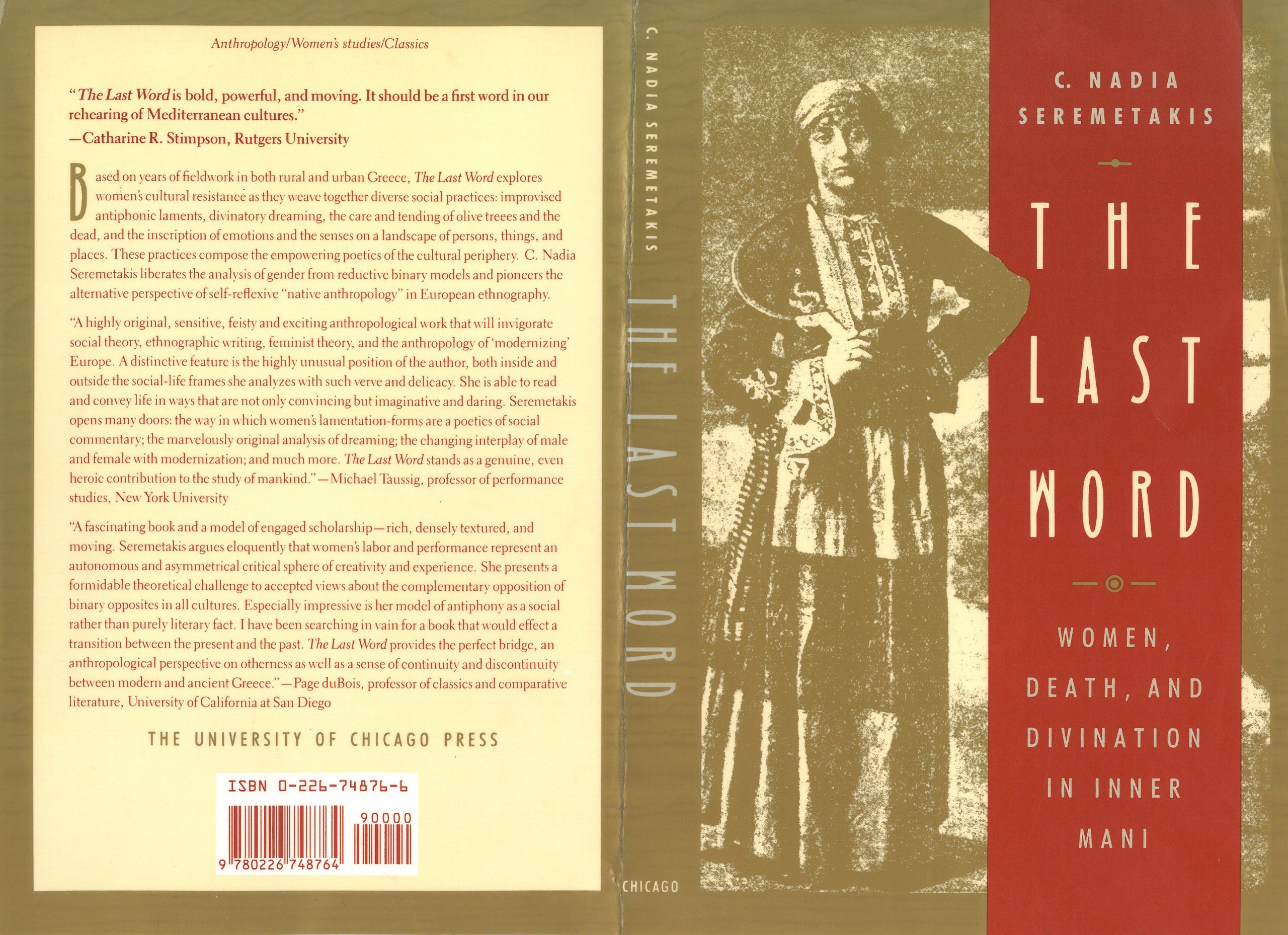 απόφαση από τον εκδοτικό οίκο ήρθε ομόφωνα από εκδότη, και ακαδημαϊκούς κριτές επί κριτών πως πρόκειται για έργο πρωτότυπο, θεωρητικά και μεθοδολογικά άρτιο. Κυκλοφόρησε πανηγυρικά. Σε τέτοιες μάλιστα περιπτώσεις ο εκδοτικός οίκος προπλήρωνε κιόλας τον συγγραφέα για να το πάρει. Λίγο αργότερα το βιβλίο The Last Word (Η Τελευταία Λέξη) τιμήθηκε και με διάκριση για τη γραφή του και έως σήμερα, επί 20 χρόνια συναπτά, διδάσκεται σε πλείστα πανεπιστήμια του κόσμου και χαίρει χιλιάδων αναφορών, αποτελώντας πλέον σημείο αναφοράς σε ανθρωπιστικές και πολιτισμικές επιστήμες .
Βέβαια το πώς εκδίδεται εκεί ένα σύγγραμμα ουδεμία σχέση έχει με το πώς εκδίδεται εν Ελλάδι ένα βιβλίο. Εκεί πέρναγε κρησάρες για το κατά πόσο είναι πρωτότυπο, αν είναι θεωρητικά-μεθοδολογικά άρτιο, τι γραφή έχει και μύρια άλλα που εξετάζονται και κρίνονται από δεκάδες ειδήμονες, ανώνυμους κριτές με συναφείς ειδικότητες.
—Και η υποδοχή του στη Μάνη;
— Δεν θα περίμενε κανείς σπουδαία υποδοχή αρχικά από έναν τόπο που η συγγραφή βιβλίων εξαντλείται σε μάζεμα- συμμάζεμα λαογραφικού και ιστορικού υλικού της περιοχής. Αυτά παρέχουν σημαντικό υλικό αλλά δεν είναι παρά η βάση για έναν ανθρωπολόγο . Σε διάλογο με αυτά και τον ντόπιο πληθυσμό θα συνδιαμορφώσει μια επιστημονική μελέτη. Γνωρίζετε καλά άλλωστε πως ο τόπος μας γενικότερα έλκεται από το εύπεπτο υλικό, δηλαδή αυτό που ήδη γνωρίζει και άμεσα κατανοεί. Γνώση όμως παράγεται μόνο από την προσπάθεια να καταλάβουμε το διαφορετικό. Αυτή τη γνώση πήρα άλλωστε εγώ από τον θησαυρό της Μάνης.
Ένα δε πράγμα που με δίδαξαν οι γυναίκες στα χωριά ης Μάνης ήταν πως ένα βιβλίο έχει πολλές αναγνώσεις. Αναρωτιόμουνα όταν τους το έφερα πώς θα το υποδεχόντουσαν τη γλώσσα του, ιδίως οι γηραιότερες. Μα εκείνες βρήκαν δεκάδες τρόπους να το «διαβάσουν», βρήκαν τα μοιρολόγια τους μέσα, τις φωτογραφίες τους, το εξώφυλλο, ως και τη μυρουδιά του ακόμη. Εκείνοι που το απέρριψαν ή το βάλαν στο ράφι ήταν οι ημιμορφωμένοι.
—Μετά την επιτυχία αυτή πώς προχωρήσατε στη σταδιοδρομία σας;
—- Μοιράστηκε η ζωή μου μεταξύ πανεπιστημιακής διδασκαλίας στο εξωτερικό, σε Νέα Υόρκη και όπως αναφέρατε σε Βέλγιο, Πολωνία, κ.α, και επιτόπιες έρευνες σε διάφορα μέρη του κόσμου, ταξίδια που πάντα ονειρευόμουνα, Μεξικό, Ιρλανδία, Τυνησία, Βιέννη, Κροατία κ.α. που κατέληξαν σε συγγραφή άλλων βιβλίων. Τελευταία ήρθα και στην Ελλάδα.
—Ναι, διδάξατε και στο πανεπιστήμιο Πελοποννήσου στη Καλαμάτα. Πώς σας φάνηκε η εμπειρία μετά τα πανεπιστήμια εξωτερικού;
—Στη καλύτερη περίπτωση θα έλεγα πως μιλάμε για έναν τόπο που δεν απέκτησε ακόμη πανεπιστημιακή συνείδηση, και του λείπει στοιχειώδης ακαδημαϊκή δεοντολογία και ήθος.
Και όσο διέπεται από την κουλτούρα της χωριατιάς τού να αποφεύγουμε ή να αποκλείουμε δηλαδή τον «καλύτερο από εμάς» , ελπίδα στην Ελλάδα δεν έχει η Παιδεία γενικότερα.
— Γράψατε όντως αρκετά βιβλία!
Ναι και το δεύτερο, το The Senses Still (Παλιννόστηση Αισθήσεων), έχει ιδιαίτερη επιτυχία στον διεθνή πανεπιστημιακό κόσμο σήμερα. Ειδικότερα το μέρος του που αναφέρεται στις μνήμες κι εμπειρίες μου στη Μεσσηνιακή Μάνη έχει τιμητικά αναδημοσιευθεί σε σημαντικούς τόμους και έχει επίσης μεταφραστεί σε διάφορες γλώσσες. Σήμερα μάλιστα ενημερώθηκα πως εκδοτικός οίκος σε συνεννόηση με τον ξένο εκδότη μου το εκδίδει σε τουρκική μετάφραση για διακίνηση στη γείτονα Τουρκία!
— Είδα βιβλία σας και άρθρα τόσο στην ελληνική, όσο και στην αγγλική γλώσσα.
— Ναι, γράφω σχεδόν πάντα τα βιβλία και άρθρα μου σε δύο γλώσσες. Τα περισσότερα γράφτηκαν πρώτα αγγλικά διότι η έδρα μου ήταν στη Νέα Υόρκη, και μετά τα έγραψα εκ νέου στα ελληνικά και κυκλοφορούν σήμερα όλα από τις εκδόσεις ΠΕΔΙΟ.
Ωστόσο είναι και μερικά όπως το Εισαγωγή στην Πολιτισμική Ανθρωπολογία (An Introduction to Cultural Anthropology) που γράφτηκε για τους φοιτητές μου αρχικά όταν βρέθηκα στην Ελλάδα, αλλά το ζήτησε αργότερα εκδότης στην Αγγλία κι έτσι το έγραψα μετά και στην αγγλική.
Όλα τα βιβλία και άρθρα μου μπορεί να τα δει κανείς άλλωστε στην ιστοσελίδα μου https://seremetakis.com/
—Παρατήρησα ότι έχετε δικό σας κανάλι στο Youtube με πολλά και πολύ ενδιαφέροντα βίντεο ομιλιών σας αλλά και δημόσιων εκδηλώσεων που σχεδιάσατε/οργανώσατε.
—Ναι, παράλληλα με την πανεπιστημιακή, έχω και εξω-πανεπιστημιακή δραστηριότητα. Έχω σχεδιάσει και οργανώσει δημόσιες συμμετοχικές με το κοινό εκδηλώσεις με στόχο την περιφερειακή πολιτισμική ανάπτυξη . Αυτό έγινε από νωρίς, όπως για παράδειγμα όταν με κάλεσαν η Δημοτική και τότε Νομαρχιακή Αρχή της Μεσσηνίας το ’96 να καταθέσω διετές παιδαγωγικό πρόγραμμα.
—Στη Μάνη βρεθήκατε για κάτι τέτοιο;
— Όχι ακριβώς. Αλλά δέχτηκα με χαρά όποτε κλήθηκα να συμβάλω, όπως για παράδειγμα να εκφωνήσω τον επετειακό δημόσιο Λόγο στη πλατεία του Δυρό, και αποτελεί τιμή μου που ήμουν η πρώτη γυναίκα που τον εκφώνησε. Όπως επίσης με χαρά έδωσα ομιλία για τους διδασκάλους στο Γύθειο αλλά και τα παιδιά στο σχολείο της δυτικής Μάνης αργότερα. Όπως χαίρομαι που μιλάμε και μαζί σήμερα.
—Σας ευχαριστώ. Πιστεύετε ότι ένα συνέδριο στη Μάνη για την Μάνη με διακεκριμένους ομιλητές θα προσφέρει οφέλη; Θα παίρνατε το ρίσκο της διοργάνωσης όσον αφορά τους ομιλητές και τα θέματα;
—- Ένα συνέδριο δεν προσφέρει πολλά αν εννοείτε μια συμβολή επί της ουσίας για την πολιτισμική ανάπτυξη του τόπου. Χρειάζεται πολύ πιο συντονισμένη προσπάθεια. Το θέμα άλλωστε έθιξα και σε πρόσφατο άρθρο μου στον Λακωνικό Τύπο επ αυκαιρία της ένταξης του μοιρολογιού ή άλλων χαρακτηριστικών της Μανιάτικης κουλτούρας σε αρχεία της Ουνέσκο για την προστασία της άυλης πολιτιστικής κληρονομιάς, κλπ. Βλέπε https://lakonikos.gr/arthra/item/177157-i-symvoli-tis-manis-ston-sygxrono-kosmo-moiroloi-i-kati-parapano%20]
—-Σας ευχαριστώ για τον χρόνο σας