THE 30 QUESTIONS
Newspaper TA NEA, 23 March 1998.
THE 30 QUESTIONS by NATASA BASTEA to NADIA SEREMETAKIS. στη ΝΑΝΤΙΑ ΣΕΡΕΜΕΤΑΚΗ.
Interviewer : Natassa Bastea
A researcher in the fields of Cultural Anthropology and Women’s Studies, Nadia Seremetakis recently saw three of her major books, first published in the United States, appear in Greek: “The Last Word”,The Last Word in the Ends of Europe», «The Senses Still» and «Crossing the Body» These works enrich Anthropology and Greek scholarship more broadly.
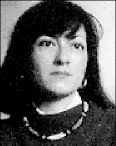
ΓΕΝΝΗΘΗΚΕ: Χωρίς ηλικία
ΣΚΕΦΤΕΤΑΙ: Σε πολλούς κώδικες
ΔΙΑΒΑΖΕΙ: Τα πάντα
ΓΡΑΦΕΙ: Από έμπνευση
ΤΗΝ ΣΥΝΑΡΠΑΖΕΙ: Η μετάληψη
ΘΑ ΗΘΕΛΕ ΝΑ ΗΤΑΝ: Γαϊδούρι
ΑΓΑΠΗΜΕΝΟ ΜΕΡΟΣ: Το σύνορο
ΘΑ ΚΑΛΟΥΣΕ ΣΕ ΓΕΥΜΑ: Έναν Άνδρα
THE 30 QUESTIONS:
– Ανθρωπολογία;
Η μελέτη των ανθρώπων σε κρίση από ανθρώπους σε κρίση.
– Γράψατε τρία βιβλία που έγιναν δεκτά από την διεθνή επιστημονική κοινότητα με ενθουσιασμό…
Από εκείνα τα μέλη της διεθνούς επιστημονικής κοινότητας που δεν αρκούνται στο μέτριο και δεν απειλούνται από το καλό.
– «Η Τελευταία Λέξη»;
Μια εθνογραφία για το σύνορο και ως σύνορο. Βρίσκεται στα όρια μεταξύ ζωής και θανάτου, ονείρου και ξυπνητής καθημερινότητας, παράδοσης και νεωτερικότητας, περιφέρειας και κέντρου. Ένα βιβλίο συγκεντρωμένων, ανεπίλυτων ιστορικών εντάσεων.
– Οι γυναίκες της Μάνης σάς έμαθαν;
… την ελληνική έννοια της ποίησης.
– Ο θάνατος μέσα από τα μάτια τους;
Φακός, μέσα από τον οποίο αντικρύζεις το Κόκαλο της Ιστορίας.
– «Παλιννόστηση Αισθήσεων»;
(Δι)Αισθήσεις – (Συν)Αισθήματα – Αισθήσεις: ο κορμός της ελληνικής ταυτότητας.
– Οι αισθήσεις μας…
… αντιπροσωπεύουν εσώτερες καταστάσεις, που δεν φαίνονται στην επιφάνεια.
– Μπαίνουν οι αισθήσεις στο μουσείο;
Το παρελθόν συλλεγμένο και ενθηκευμένο, κορνιζαρισμένο, είναι παρελθόν κενό από σημασιολογική δυνατότητα, διότι το νόημά του έχει ολοκληρωθεί, εξαντληθεί, καταπατηθεί. Έχει, δηλαδή, μετατραπεί σε ιστορική σκόνη.
– Σκόνη;
Η σκόνη δεν κατακαθίζει μόνο πάνω στο αντικείμενο, αλλά και πάνω στο μάτι.
– Το ανθρώπινο σώμα στη σύγχρονη εποχή;
Φαστ φουντ.
– «Διασχίζοντας το Σώμα»;
Ανακαλύπτεις τις δομές της κυριαρχίας αλλά και την αντίσταση των γυναικών στην ποιητική του σώματος, της γλώσσας και της τελετουργίας.
– Οι γυναίκες στην Ελλάδα χθες;
Παγιδευμένες στη συγγένεια.
– Οι γυναίκες στην Ελλάδα σήμερα;
Έλλειψη επαγγελματισμού.
– Τα ελληνικά Πανεπιστήμια, προς το παρόν, αγνοούν τις Γυναικείες Σπουδές;
Αγνοούν πολλά πράγματα…
– Δύο δεκαετίες στην Αμερική…
Δύο δεκαετίες σε πολυ-πολιτισμική κοινωνία και πραγματικότητα.
– Επιστροφή πίσω στη Μάνη;
Δεν υπάρχει πίσω.
– Έχετε ταξιδέψει σ’ όλο τον κόσμο;
Ναι, στο όνειρο και την ξυπνητή πραγματικότητα.
– Από τη Νέα Υόρκη στο Μεξικό, την Ιρλανδία, την Καραϊβική και την Αλβανία, στη Νέα Υόρκη…
Από τις λεγόμενες περιφέρειες στα αποκαλούμενα κέντρα και τανάπαλι.
– Οι άνθρωποι μοιάζουν…
Δυστυχώς, πολύ.
– Και διαφέρουν…
Ευτυχώς, πολύ.
– Κάποιος, κάπου στον πλανήτη σάς είπε κάτι που θυμάστε πάντα;
Όποιος δραπετεύει μία, δραπετεύει κι άλλη.
– Ο άνθρωπος αντιμέτωπος με την τρίτη χιλιετία;
Χωρίς όραμα.
– Η τεχνολογία είναι εχθρός της παράδοσης;
Η παράδοση συχνά ιδιοποιείται και χρησιμοποιεί την τεχνολογία για τους δικούς της στόχους.
– Επί αιώνες η διαίσθηση λειτουργούσε ως πυξίδα. Σήμερα;
Η δι-αίσθηση όποτε και σ’ όποιους λειτουργεί, λειτουργεί ως πυξίδα.
– Η Olga Broumas λέει σ’ έναν στίχο της: «Ό,τι δεν καταλαβαίνω, μας κρατάει μακριά»
Κι ό,τι καταλαβαίνω δεν μας φέρνει απαραιτήτως κοντά.